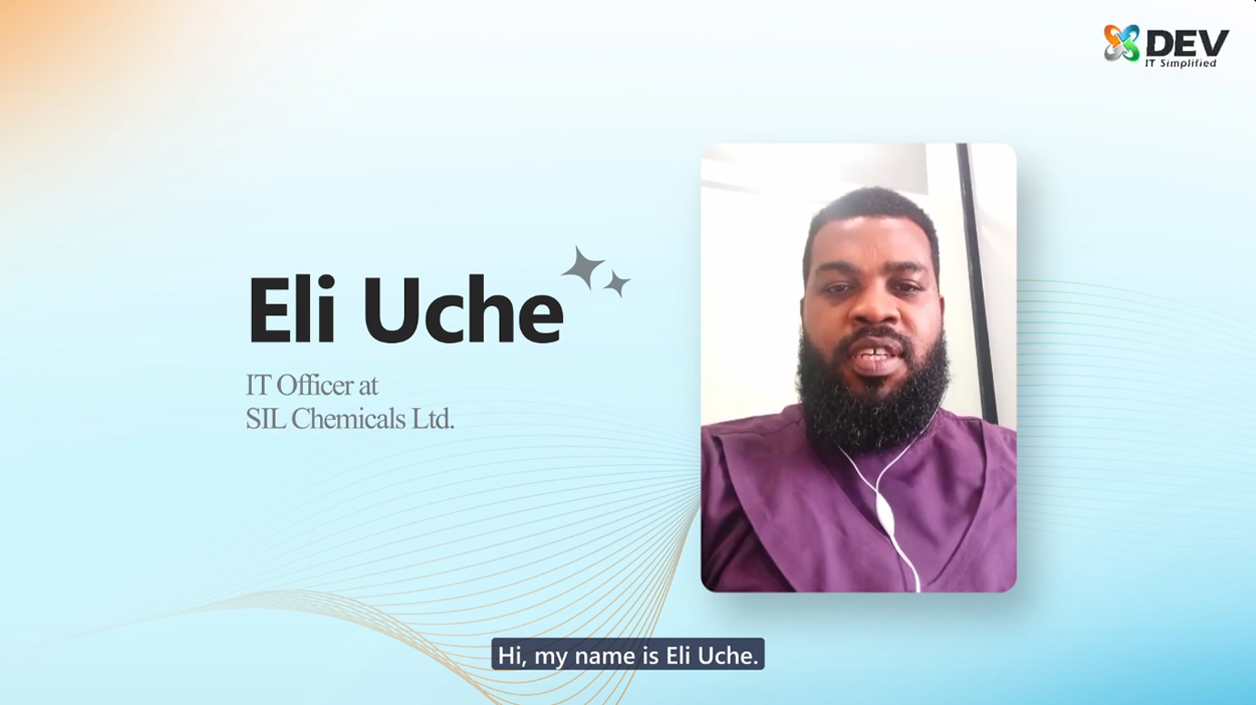
Empowering secure, centralized device management with Microsoft intune

How a leading chemical manufacturer modernized its IT operations and strengthened data security through a seamless Azure migration and Intune deployment.


How a leading chemical manufacturer modernized its IT operations and strengthened data security through a seamless Azure migration and Intune deployment.
SIL Chemicals Ltd.
Tanzania
Chemical Manufacturing
A leading chemical manufacturer in Tanzania set out to modernize its IT infrastructure to support secure and scalable operations. The initiative involved migrating from an on-premises setup to Azure Cloud, enabling a unified identity platform. Microsoft Intune was implemented to manage over 200 corporate devices through a centralized system. Single Sign-On was configured for seamless access across applications, while advanced data protection measures were enforced to prevent unauthorized access and secure sensitive information even on personal and mobile devices.
The organization faced a decentralised IT environment with separate identities for email, device login, and application access, resulting in poor user experience and administrative overhead. Decentralized device management created inconsistent configurations and security gaps across endpoints. Without standardized security policies, the company was vulnerable to data breaches and compliance risks. Additionally, unrestricted access to organizational data across personal and corporate devices raised serious concerns about data leakage. Limited visibility into device health, user activity, and policy adherence further hampered IT governance and operational efficiency.
Digital transformation for Gujarat Industrial Development Corporation through a centralized ERP system.
Explore more case studyA tailored solution was designed leveraging Microsoft Intune to centralize device management and enforce security and compliance policies in line with industry standards. Devices across Windows, Android, iOS, and macOS were successfully enrolled and configured using restriction and configuration policies to eliminate security gaps and maintain standardization. Application installation and protection policies were implemented to ensure secure and authorized access to organizational data. Supporting documentation, setup guides, and training sessions were provided to the internal IT team to ensure smooth adoption and long-term self-sufficiency.
With the implementation complete, the organization achieved a centralized identity system and full control over 200+ devices. Standardized policies improved visibility, streamlined application deployment, and significantly enhanced operational efficiency. Post-implementation feedback revealed over 60% reduction in manual IT workload related to device management and policy enforcement—marking a successful shift to a more secure, scalable, and well-governed IT environment.
Driven by a commitment to continuous improvement, the organization is now poised to build on its secure, cloud-first foundation. With agility at the core, future plans include automating policy enforcement, integrating advanced identity governance, and enabling risk-based access controls to strengthen security. Enhanced compliance monitoring and AI-driven insights will further optimize operations and support smarter decision-making. This forward-looking strategy positions the company for sustained resilience, tighter control, and continued digital growth in a rapidly evolving landscape.